Proven Across Stages, Industries, and Markets
years of enterprise software engineering
custom systems built across 10+ industries
Countries where our products are in production
What You Gain With a Product Engineering Partner
Working with an experienced product engineering partner reduces technical risk, avoids expensive rebuilds, and shortens the time from idea to stable production. These are the outcomes our clients consistently report.
-

Architecture That Scales
Products are designed for growth from day one — handling increased user load, data volume, and feature complexity without costly rewrites down the line.
-

Faster Time-to-Market
Agile sprint delivery with working releases every two weeks gives you early value and the ability to make informed decisions based on real feedback — not assumptions
-

End-to-End Accountability
One team owns the full lifecycle — strategy, design, development, QA, DevOps, and post-launch support. No handoff gaps, no blame between vendors.
-

Domain-Led Development
Engineering shaped by industry-specific logic, compliance requirements, and user behaviour — not generic software patterns applied without context.
Three Focused Practice Areas. One Accountable Team.
-

Product Strategy & Design
Market positioning, user research, product roadmapping, UX architecture, and go-to-market planning — the work that makes engineering investment purposeful and commercially directed.
-
Product Development
Full-cycle engineering for web, mobile, and enterprise products — covering architecture, development, third-party integration, quality engineering, and deployment.
-

Product Scaling & Optimisation
Performance engineering, infrastructure scaling, tech debt resolution, and platform modernisation for products under growth pressure or operating with legacy constraints.
Disciplined. Transparent. Aligned to Business Outcomes.
Every product engagement follows a structured delivery model — designed to reduce ambiguity, maintain quality at speed, and give you full visibility into what is being built and why.
Discovery & Product Definition
Structured sessions define scope, user journeys, constraints, and integrations. Outputs include a PRD, architecture outline, and phased delivery roadmap.
Architecture & Technical Design
Senior engineers design system architecture covering services, data models, APIs, security, and infrastructure, with all decisions documented and reviewed.
Integration & System Testing
Each feature is integration-tested against the full system. Load testing, security scanning, and third-party validation are completed before release approval.
Deployment & DevOps Setup
CI/CD pipelines, containerized environments, and monitoring are implemented as part of delivery, with structured releases and rollback from day one.
Post-Launch Support & Evolution
Ongoing support includes bug fixes, performance monitoring, compliance updates, and iterative enhancements aligned with the product roadmap.

End-to-End Ownership
Single-Vendor Lifecycle Ownership Strategy, design, development, QA, DevOps, and post-launch support — managed by one accountable team. This eliminates the coordination overhead and knowledge gaps that come with multi-vendor delivery models.

Scalability as a Design Constraint
Products are architected to handle growth — in users, data volume, and feature complexity. Scalability is not retrofitted; it is a first-order design requirement on every engagement.

24 Years of Enterprise Experience
Delivering complex, large-scale products since 2001 across BFSI, retail, healthcare, government, and manufacturing verticals in India and the MENA region — with the reference list to prove it.

No Black Box Delivery
You have full visibility into architecture decisions, sprint progress, and technical trade-offs throughout the engagement. We communicate technical context in business language — so you can make informed decisions, not just approve timesheets.

Domain-Led Engineering
We don't just understand code — we understand the industries we build for. Financial compliance, healthcare data requirements, retail performance expectations, and manufacturing process logic are built into our product thinking from day one.
Real-World Use Cases That Deliver Results
Modernization isn't a one-size-fits-all solution — it's about solving real problems for real industries.
-
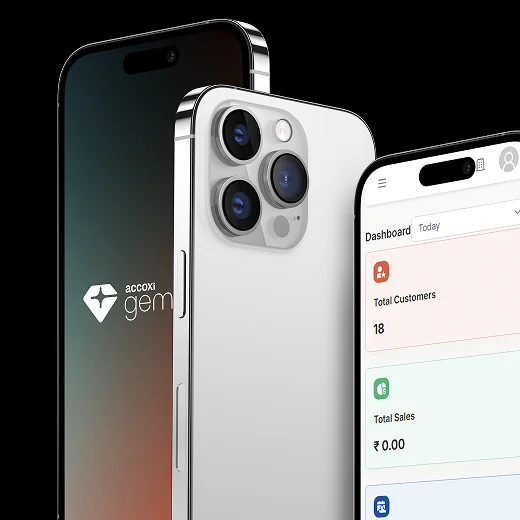
Matrimony Platform Transformation
- 2X increase in online sales
- 30% boost in customer engagement
- Enhanced shopping experience
-
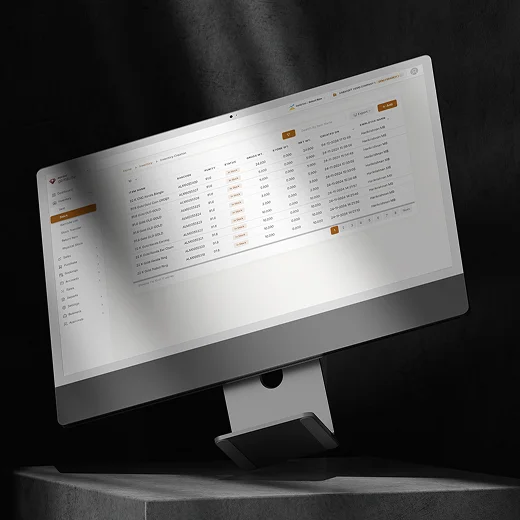
Healthcare Job Portal Upgrade
- 50% reduction in billing time
- Increased customer satisfaction and retention
- Accurate pricing updates in real time
-
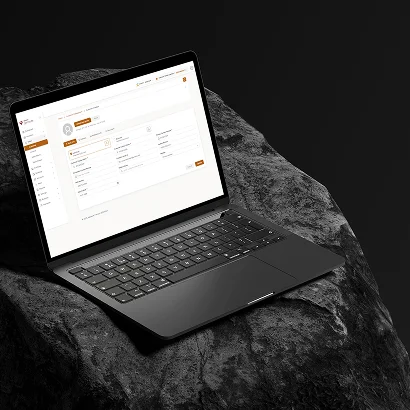
Strengthening Customer Loyalty with CRM & Personalized Offers
- 35% increase in repeat customers
- Personalized offers boosted conversions
- Accurate pricing updates in real time
Frequently Asked Questions
Need help with something? Here are our most frequently asked questions.
What is product engineering and how is it different from standard software development?
- Product engineering focuses on building and evolving software as a long-term business asset — covering strategy, architecture, development, quality, and ongoing improvement as a continuous cycle. Standard project-based development typically ends at deployment. Product engineering treats every release as part of a living product that needs to scale, adapt, and improve over time. The focus shifts from delivery milestones to business outcomes.
Do you work with early-stage startups or only established businesses?
- We work across the full spectrum — from startups validating their first product concept through to enterprises modernising established platforms. Our engagement model scales accordingly: leaner and faster for early-stage products, more structured and governance-heavy for enterprise programmes. The entry point is a conversation about where your product is and what it needs.
How does Aabasoft handle product requirements that change during development?
- Agile delivery is built for change. We work in two-week sprints with structured backlog refinement. Requirement changes are assessed for scope and priority, incorporated into the backlog, and communicated with impact on timeline or budget before being actioned — so you are never surprised, and changes are never silently absorbed.
Can Aabasoft take over a product that was partially built by another team?
- Yes. We have a defined product takeover process — covering codebase audit, documentation review, architecture assessment, and a structured knowledge transfer period. We stabilise the existing codebase before introducing new development, minimising transition risk for your business and your users.
What technologies does Aabasoft use for product engineering?
- We work across a broad technology landscape — React, Angular, Node.js, Python, Java, .NET, Flutter, and React Native on the application side; PostgreSQL, MySQL, MongoDB, and Redis for data; AWS, Azure, and GCP for infrastructure; and Docker and Kubernetes for containerised deployments. Technology choices are always driven by product requirements, not internal preferences.
How do you ensure the product remains maintainable and scalable long-term?
- Maintainability is engineered from the start through documented architecture decisions, coding standards, automated test coverage, and structured code reviews. We also conduct periodic tech debt reviews during ongoing engagements — addressing accumulated complexity before it becomes a delivery risk or an operational constraint.
Reach. Connect.
Ready to Build Something That Lasts?